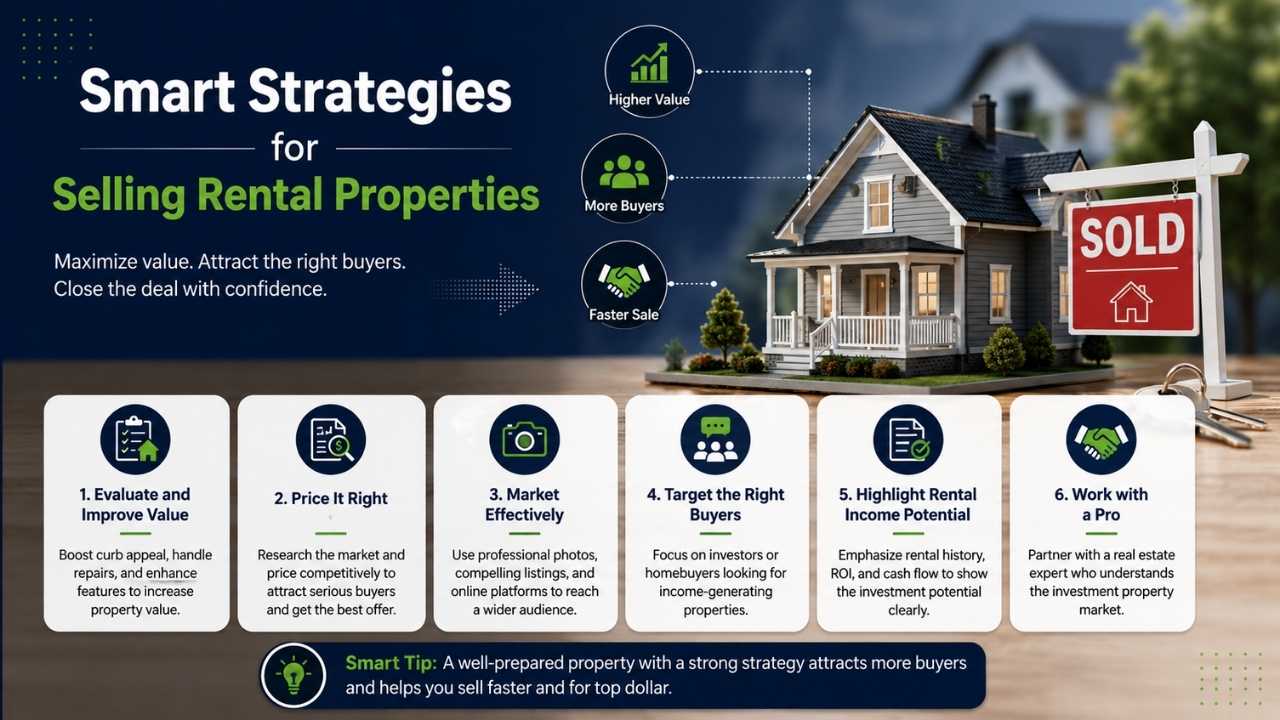
Selling a rental property can be both a profitable opportunity and a challenging process. Unlike selling a regular home, rental properties involve additional factors such as tenant management, lease agreements, property value calculations, and investor expectations. Whether you are looking to upgrade your investments, reduce financial pressure, or take advantage of favorable market conditions, having a smart strategy can help you maximize profits and complete the sale smoothly.
A successful rental property sale requires careful planning, market understanding, and effective communication. By following the right approach, property owners can attract serious buyers, avoid common mistakes, and secure the best possible return on investment.
Understand the Right Time to Sell
Timing plays a crucial role in selling any type of real estate, especially rental properties. Selling during a strong real estate market can significantly increase your profit. When demand is high and interest rates are favorable, buyers are often willing to pay higher prices.
Before listing your property, analyze local market trends, property values, and rental demand in your area. If property prices are increasing steadily, waiting for the right moment may bring a better return. On the other hand, if market conditions suggest a slowdown, selling earlier might be the smarter option.
Seasonal timing also matters. In many locations, spring and summer tend to attract more buyers because families prefer moving during warmer months and before school sessions begin.
Evaluate the Financial Performance of the Property
Potential buyers, especially investors, want to see clear financial benefits before purchasing a rental property. This means property owners should organize all financial records before putting the property on the market.
Prepare documents such as rental income history, maintenance expenses, tax records, utility costs, and occupancy rates. Buyers appreciate transparency, and having detailed records builds trust and confidence.
Highlighting positive cash flow, low vacancy rates, and stable rental income can make the property more attractive to investors. If the property has strong financial performance, it may justify a higher asking price.
Understanding your own financial goals is equally important. Calculate your expected profit after taxes, mortgage balances, repairs, and agent commissions before deciding on a final selling price.
Decide Whether to Sell With or Without Tenants
One of the biggest decisions when selling a rental property is whether to keep tenants in place or sell the property vacant. Both options have advantages and challenges.
Selling with tenants can attract real estate investors who want immediate rental income without searching for new occupants. Existing tenants also demonstrate that the property is already producing revenue.
However, tenants may not always cooperate with property showings or maintain the property’s appearance during the selling process. This can make it harder to create a positive impression for buyers.
Selling a vacant property allows for renovations, professional staging, and flexible viewing schedules. It may also appeal to buyers looking for a primary residence rather than an investment property.
The right choice depends on your target buyers, local market demand, and tenant relationships.
Improve the Property’s Appearance
First impressions matter greatly in real estate sales. Even if the property generates good rental income, poor appearance can reduce buyer interest and lower offers.
Before listing the property, focus on repairs and basic upgrades that improve visual appeal. Fresh paint, clean flooring, updated lighting, and landscaping can make a significant difference without requiring massive investment.
Pay attention to small maintenance issues such as leaking faucets, damaged doors, or cracked walls. Buyers often view neglected repairs as warning signs of larger hidden problems.
Professional cleaning is also essential. A clean and well-maintained property creates a positive emotional response and helps buyers imagine future possibilities.
Simple improvements can increase perceived value and lead to faster sales.
Set a Competitive and Realistic Price
Pricing is one of the most important elements of a successful property sale. Overpricing may discourage buyers, while underpricing can reduce profits unnecessarily.
Research similar properties in the area to understand current market value. Compare rental income, property condition, size, location, and amenities before deciding on a listing price.
Many sellers benefit from working with experienced real estate professionals who understand investment property pricing. A realistic price attracts more serious buyers and can even create competitive offers.
Remember that investors often analyze properties based on return on investment and rental yield. Pricing should reflect both the physical property value and its income potential.
Market the Property Effectively
A strong marketing strategy helps your property stand out in a competitive market. High-quality photos, detailed property descriptions, and accurate financial information are essential for attracting buyers.
Highlight features that appeal to investors, such as stable tenants, recent renovations, nearby schools, transportation access, or strong rental demand in the neighborhood.
Online listings are extremely important because most buyers begin their search digitally. Use multiple property platforms and social media channels to reach a wider audience.
Virtual tours and video walkthroughs can also increase engagement, especially for out-of-town investors who may not visit immediately.
Clear and professional marketing increases visibility and improves the chances of receiving better offers.
Understand Tax Implications Before Selling
Taxes can significantly impact your final profit when selling a rental property. Property owners should understand capital gains tax, depreciation recapture, and other financial obligations before completing the sale.
Consulting with a tax professional can help you estimate potential tax liabilities and identify strategies to reduce them legally. In some situations, options such as reinvesting through property exchange programs may help defer taxes.
Planning ahead prevents unexpected financial surprises and allows you to make informed decisions regarding pricing and investment goals.
Ignoring tax implications can reduce your overall profits more than expected.
Negotiate Smartly With Buyers
Negotiation is a critical stage in any property sale. Buyers may request repairs, price reductions, or additional conditions before closing the deal.
Stay flexible but also understand the true value of your property. Having financial records, inspection reports, and market comparisons strengthens your negotiating position.
Quick emotional decisions can lead to poor outcomes. Focus on long-term financial benefits rather than reacting to every offer immediately.
Professional communication and realistic expectations often lead to smoother negotiations and successful agreements.
Being prepared for negotiations increases confidence and helps secure better results.
Work With Experienced Professionals
Selling rental properties involves legal documents, contracts, inspections, and financial considerations. Working with experienced professionals can simplify the process and reduce stress.
Real estate agents who specialize in investment properties understand how to market rental homes effectively and connect with serious investors. Property attorneys and accountants can also help ensure legal and financial accuracy throughout the transaction.
Professional guidance helps avoid costly mistakes and ensures the sale moves forward smoothly.
A knowledgeable team can save time, protect your interests, and improve overall profitability.
Final Thoughts
Selling a rental property successfully requires more than simply listing it online. Smart planning, market research, proper pricing, and effective marketing all play important roles in maximizing profits and attracting the right buyers.
Understanding your property’s financial performance, improving its condition, and preparing for negotiations can create a smoother selling experience. At the same time, considering tax implications and working with trusted professionals helps protect your long-term financial goals.
With the right strategies and careful decision-making, selling a rental property can become a rewarding opportunity that strengthens your investment journey and opens the door to future financial growth.