
Real estate investing has evolved far beyond traditional property visits and paperwork. Modern investors now rely on technology to identify profitable opportunities, manage risks, track market trends, and streamline property operations. Whether someone is investing in rental properties, commercial spaces, vacation homes, or real estate investment trusts, smart tools and software have become essential for staying competitive in a fast-moving market.
Today’s successful investors are not only making decisions based on instinct or local advice. They are using data-driven platforms, automation software, property analysis tools, and digital management systems to improve accuracy and increase returns. These technologies save time, reduce operational stress, and help investors make smarter financial decisions.
From beginners entering the property market to experienced investors managing multiple assets, the right real estate software can significantly improve efficiency and profitability.
Why Technology Matters in Real Estate Investing
The real estate market is highly dynamic. Property prices, rental demand, mortgage rates, and neighborhood growth can change quickly. Technology helps investors respond faster and make informed decisions based on real-time data.
Smart tools can analyze market performance, compare property values, estimate rental income, and calculate long-term investment potential within minutes. Instead of manually collecting information from different sources, investors can now access everything through one platform.
Technology also minimizes human error. Financial calculations, lease tracking, tenant communication, and maintenance scheduling become more organized when handled through specialized software. This allows investors to focus more on strategy and expansion rather than administrative work.
Property Analysis Software
One of the most valuable tools for investors is property analysis software. These platforms help evaluate whether a property is financially worth purchasing. Investors can calculate cash flow, cap rates, return on investment, mortgage expenses, and future appreciation potential.
Advanced analysis software also provides neighborhood insights, crime rates, school ratings, population growth, and rental demand statistics. Such information helps investors avoid risky areas and target locations with higher growth potential.
These tools are especially useful for investors managing properties in different cities or countries. Instead of physically visiting every location, they can conduct detailed research online and shortlist profitable opportunities efficiently.
Real Estate CRM Systems
Customer Relationship Management systems are becoming increasingly popular in the real estate industry. Investors often interact with agents, buyers, sellers, tenants, contractors, and financial institutions. Managing all these relationships manually can become overwhelming.
A real estate CRM helps organize contacts, schedule follow-ups, store property documents, and automate communication. Investors can track conversations, reminders, and deal progress from a single dashboard.
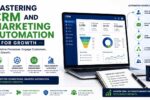
For large-scale investors or real estate businesses, CRM software improves professionalism and ensures that no important opportunity or client interaction is missed.
Property Management Software
Managing rental properties can be time-consuming without proper systems in place. Property management software simplifies daily operations by handling rent collection, maintenance requests, lease agreements, accounting, and tenant communication.
Many platforms also allow tenants to pay rent online and submit maintenance requests digitally. This improves convenience for both property owners and tenants.
For investors with multiple properties, management software reduces paperwork and improves operational efficiency. It also helps maintain financial transparency by generating automated income and expense reports.
Another major benefit is time savings. Investors can manage several properties remotely without needing constant physical supervision.
Market Research and Data Platforms
Successful investors understand the importance of market research before making investment decisions. Real estate data platforms provide valuable insights into market trends, price history, rental yields, and future development projects.
These platforms use big data and predictive analytics to help investors identify emerging investment hotspots. Investors can compare cities, neighborhoods, and property categories based on performance indicators.
Access to accurate market data reduces uncertainty and helps investors make confident decisions backed by facts rather than assumptions.
Data platforms are particularly beneficial during uncertain economic conditions when market behavior can change rapidly.
Financial and Accounting Tools
Real estate investing involves continuous financial tracking. Mortgage payments, taxes, insurance, repairs, rental income, and operational expenses must all be carefully monitored.
Accounting software designed for real estate investors simplifies bookkeeping and financial reporting. These tools can automatically categorize expenses, generate tax reports, and track profitability across multiple properties.

Some platforms also integrate directly with bank accounts and payment systems, reducing manual data entry. Investors can quickly review financial health and identify areas where costs can be optimized.
Accurate financial management is essential for long-term investment success and sustainable portfolio growth.
Virtual Tour and Visualization Technology
Technology has also transformed the property viewing process. Virtual tours and 3D visualization tools allow investors and buyers to explore properties remotely.
This is especially useful for international investors or individuals purchasing property in distant locations. Virtual walkthroughs provide a realistic understanding of property layout, design, and condition without requiring physical travel.
Some advanced tools even use augmented reality and artificial intelligence to help investors visualize renovations or interior improvements before making a purchase.
This technology speeds up decision-making and reduces unnecessary site visits.
Artificial Intelligence in Real Estate
Artificial intelligence is playing an increasingly important role in modern real estate investing. AI-powered platforms can predict market trends, estimate property values, and identify investment opportunities based on large amounts of data.
Machine learning algorithms analyze historical patterns and current market conditions to provide smarter recommendations. Investors can use AI insights to determine the best time to buy, sell, or hold a property.
Chatbots and automated support systems are also improving customer service and tenant communication. These innovations help investors operate more efficiently while reducing workload.
As AI technology continues to improve, it is expected to become even more influential in shaping real estate investment strategies.
Benefits of Using Smart Investment Tools
The biggest advantage of real estate software is improved decision-making. Investors gain access to accurate information, automation features, and detailed financial analysis that support better investment choices.

Other key benefits include:
- Faster property research
- Improved financial tracking
- Better tenant management
- Reduced operational costs
- Enhanced productivity
- Increased portfolio scalability
- Better risk management
Technology also creates transparency and organization, which are essential for long-term success in real estate investing.
Choosing the Right Real Estate Software
Not every software platform is suitable for every investor. The right choice depends on investment goals, property type, budget, and portfolio size.
Beginners may prefer simple tools with basic analysis and management features, while experienced investors often require advanced analytics, automation, and integration capabilities.
Before selecting software, investors should consider ease of use, customer support, pricing, security, and scalability. Reading reviews and testing free trial versions can help determine whether a platform meets specific business needs.
Choosing reliable software is an investment in itself because the right tools can improve efficiency and increase profitability over time.
Conclusion
Technology has become an essential part of modern real estate investing. Smart tools and software help investors analyze opportunities, manage properties, monitor finances, and make informed decisions with greater confidence.
As the real estate industry becomes more competitive, investors who embrace digital solutions are more likely to achieve sustainable growth and long-term success. From property analysis platforms to AI-powered market insights, technology is reshaping how investors operate and succeed in the market.